Horror Wing: Unleash the Beast in Your Typography
More Than Just Jagged Edges
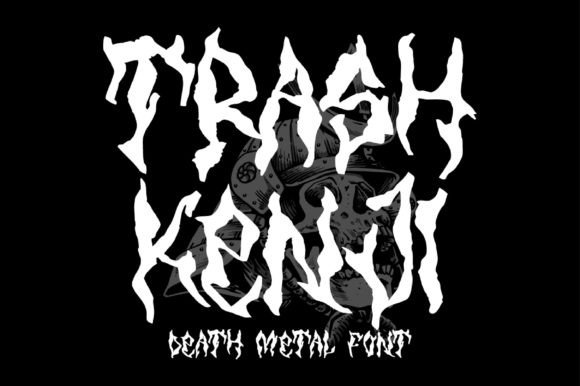
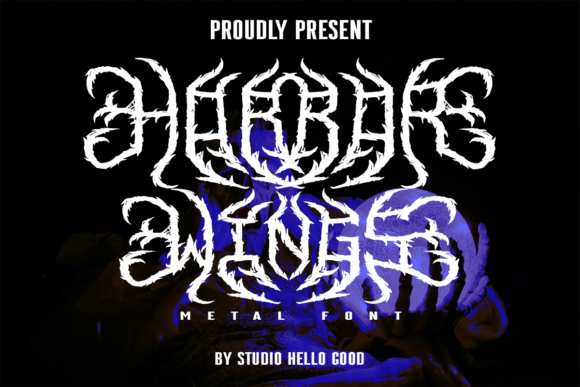
When you first encounter Horror Wing, it doesn't whisper; it roars. This isn't a typeface for subtle invitations or gentle poetry. Forged in the aesthetic of extreme music, Horror Wing is a premium display font that captures the raw, unbridled energy of the death metal genre. Its visual character is defined by sharp, aggressive angles, irregular baselines, and letterforms that look as though they've been clawed from stone or bone. It possesses a menacing, foreboding presence, making it an instant attention-grabber. Think of it as a visual amplifier—the typographic equivalent of a distorted guitar riff.
But its appeal extends beyond just album art. The personality of Horror Wing is one of rebellion, intensity, and unapologetic darkness. It speaks to projects that need to convey power, mystery, or a hint of the macabre. It’s a creative font that acts as a design asset in itself, infusing an immediate mood into any layout. For designers and creatives, understanding its visual weight is the first step. It’s a heavy, commanding typeface that doesn’t just sit on a page; it inhabits it, often becoming the central visual element rather than a supporting one.
Where Does This Typeface Thrive?
The natural habitat for Horror Wing is within branding and marketing that targets a niche, edgy audience. It’s a powerhouse for logo design in industries like craft breweries, tattoo studios, extreme sports, gaming, or any brand identity that leans into a dark, alternative, or high-energy aesthetic. Its jagged silhouette makes it instantly recognizable, a key factor in building brand recall. However, its use requires a thoughtful strategy. Placing it on a children’s book cover or a corporate wellness blog would create a jarring, inappropriate dissonance.
Beyond logos, its strengths shine in specific applications. Consider these practical uses:
- Editorial Design & Publishing: Perfect for magazine covers, chapter titles, or pull quotes in horror, thriller, or fantasy genres. It sets an immediate tone.
- Packaging Design: Ideal for product lines like hot sauces, specialty coffees, or vinyl record sleeves where a bold, artisanal, or rebellious image is desired.
- Event Marketing: Creates compelling posters, banners, and social media graphics for concerts, haunted attractions, film festivals, or gaming tournaments.
- Digital & Web Design: Use it sparingly for hero sections, impactful headers, or call-to-action buttons to inject personality. It pairs well with clean sans serif fonts for body text to maintain readability.
- Personal & Commercial Projects: Crafters can leverage it for standout quotes on apparel, stickers, or home décor. Small business owners can use it for distinctive merchandise.
The Strategic Impact of Fear in Font Choice
Choosing a font like Horror Wing is a strategic decision that influences far more than just aesthetics. It directly impacts visual hierarchy. A single, well-placed word in this typeface will dominate a layout, guiding the viewer’s eye with forceful intention. This can be a powerful tool in marketing materials where you need a key message or product name to leap off the page.
Furthermore, it profoundly shapes brand perception. Consistently using Horror Wing in your brand identity communicates a very specific set of values: intensity, authenticity, and a connection to darker, more visceral themes. This consistency builds recognition within your target audience. However, it demands professionalism in execution. Overusing it or pairing it poorly can make a design feel chaotic or unprofessional. The key is balance—using its raw power to enhance, not overwhelm, your message.
A Practical Guide to Using Horror Wing
Before you dive in, treat this premium font like a specialized tool. Here’s how to evaluate if it’s the right fit:
- Evaluate Project Fit: Ask yourself: Does the core message of this project align with themes of power, darkness, or extreme energy? If the answer is a clear yes, proceed.
- Test Font Pairings: This is critical. Horror Wing demands a calm, stable partner. Pair it with a highly legible sans serif or a simple, clean serif font for body copy. A script font or another ornate display font will almost always clash.
- Review Included Styles: Check if the font family includes alternates, ligatures, or different weights. These can provide much-needed flexibility for creating unique logotypes or headlines without losing the core aesthetic.
- Prioritize Readability: Test it at the intended size. While legible as a headline, its intricate details can become muddy at small sizes or on low-resolution screens. It is not a body text font.
- Understand Commercial Licensing: Always verify the license. Ensure it covers your intended use—whether for a personal blog, client work, merchandise for sale, or digital products. Using a commercial font without the proper license is a serious legal and ethical misstep.
In the vast landscape of modern typography, Horror Wing stands as a specialized, potent weapon. It’s not for every project, but for the right one, it doesn’t just communicate a message—it embodies it. Use it with intention, pair it with care, and it will transform your design from merely seen to truly felt.