Trash Cadaver: Your Next High-Impact Display Typeface
If you've ever stared at a blank canvas for a band poster, a dark-themed brand logo, or a piece of merchandise that needs to scream rather than whisper, you know the struggle. Finding a typeface with genuine character—one that doesn't look like a sanitized, corporate-approved version of an edge—is difficult. Most "edgy" fonts feel like a costume. Then, you encounter something like Trash Cadaver. This isn't a costume; it's a statement. It's a premium font that doesn't just sit on the page; it attacks it. For designers, entrepreneurs, and creators working in spaces that demand intensity, mystique, and an unapologetic presence, understanding this typeface is less about typography theory and more about wielding a specific, powerful tool.
Visual Breakdown: Anatomy of an Aggressor
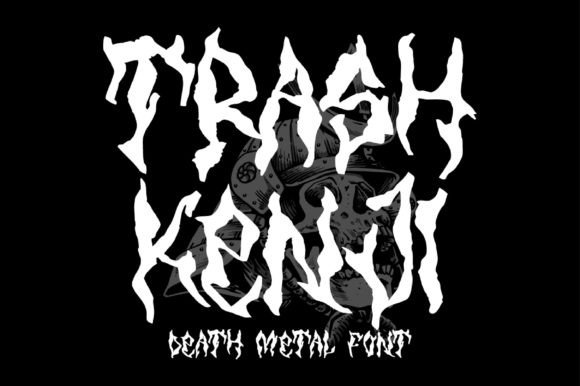
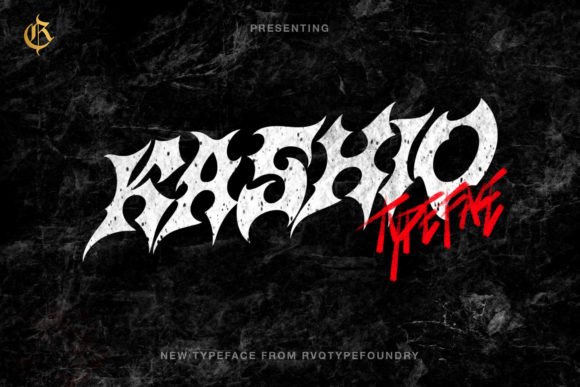
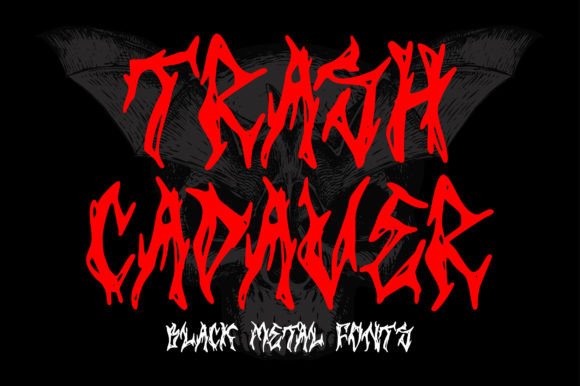
Let's get practical. What are you actually getting with Trash Cadaver? At its core, it's a display font, meaning it's built for headlines, logos, and large-scale applications, not body text. Its personality is forged in the fires of black metal aesthetics, but its utility extends far beyond that niche. The letterforms are defined by their angular, razor-sharp construction. There are no soft curves or gentle serifs here. Every glyph feels like it was carved or slashed, creating a sense of raw, kinetic energy. This isn't a serif font or a sans serif font in the traditional sense; it occupies a category of its own—aggressive, illustrative typography.
The visual texture is paramount. You'll notice irregular edges, deliberate imperfections, and a weight that suggests both decay and formidable strength. It avoids looking digitally perfect, which is its greatest strength. This hand-hewn quality gives it an authentic, almost tactile feel, making it a standout creative font for projects that need to convey authenticity, rebellion, or a gritty, underground sensibility. Compared to a clean script font or a polished handwritten font, Trash Cadaver is the visual equivalent of a distorted guitar riff—immediate and impossible to ignore.
Where This Typeface Truly Shines: Real-World Applications
Theory is fine, but where does Trash Cadaver actually deliver value? Its strength lies in contexts where first impressions are visceral and brand perception needs to be instantly established.
- Branding & Identity: For businesses in extreme sports, specialty coffee roasters with a dark roast focus, tattoo studios, record labels, or any brand that wants to project a bold, counter-culture identity, this font becomes a cornerstone of the brand identity. It works brilliantly for logos, wordmarks, and monograms where legibility at a glance is secondary to impact and recognition.
- Merchandise & Apparel: This is a natural habitat. Think band t-shirts, streetwear brands, and festival merch. The font's inherent style translates perfectly to screen printing and embroidery, creating designs that people want to wear as a badge of affiliation. It turns a simple logo into a graphic element.
- Editorial & Poster Design: For magazines, zines, book covers (especially in horror, thriller, or dark fantasy genres), and event posters, Trash Cadaver commands attention. Use it for mastheads, chapter titles, or headline acts. It sets a tone that a modern typography classic simply cannot.
- Digital & Social Media: In the endless scroll, you have milliseconds to stop a thumb. This typeface used in a YouTube thumbnail, an Instagram story header, or a podcast cover can create the intrigue needed for a click. It's a potent tool for content creators in gaming, true crime, or music commentary.
- Packaging Design: For products like craft beer (especially stouts or IPAs with bold flavors), hot sauces, or artisanal goods with a rugged aesthetic, the font on the label tells a story before the product is even tasted. It suggests intensity and care in the craft.
Making It Work: Practical Guidance for Designers and Creators
Adopting a font with this much personality requires a strategy. You don't just plug it in and hope for the best. Here’s how to integrate Trash Cadaver effectively into your workflow and projects.
Evaluate the Project Fit. First, ask: does the project's core message align with the font's personality? It's a poor choice for a children's hospital brochure or a luxury spa's minimalist website. It excels where themes of power, darkness, authenticity, rebellion, or raw energy are central. Match the font to the narrative, not just the aesthetic.
Master the Art of Font Pairing. This is critical. Because Trash Cadaver is so dominant, pairing it with another strong display font is usually a recipe for visual chaos. The smart approach is contrast. Let it be the star. Pair it with a highly legible, neutral sans serif font for body text or supporting information. A clean geometric sans serif or even a simple, sturdy serif can provide the necessary breathing room and ensure your overall design remains balanced and professional. This creates a clear visual hierarchy—the impactful headline draws the eye, and the clean text delivers the message.
Test for Readability in Context. Always test the font at the actual size it will be viewed. A word that looks legible on your 27-inch monitor may become an indistinguishable blob on a mobile screen or from a distance on a poster. Use it for short, impactful words or phrases. Avoid setting long sentences or paragraphs in it; that's not its purpose.
Understand the Included Styles. Explore the full font family. Does it come with different weights (Regular, Bold, Black)? Are there alternate character sets, ligatures, or stylistic sets? These extras are design assets that give you more creative control. An alternate 'A' or a special ligature for 'Th' might be the perfect detail to elevate a logo.
Navigate Commercial Licensing. This is non-negotiable for professional use. Ensure the license covers your intended application—whether it's for a client's logo, merchandise for sale, or a digital product. A reputable commercial font will have clear licensing terms. Purchasing from a foundry or a trusted marketplace like MyFonts guarantees you have the legal right to use the work, protecting both you and your client.
In the end, Trash Cadaver is more than just a typeface; it's a tool for making a mark. It's for the project that needs to feel dangerous, authentic, and unignorable. Used with intention and skill, it doesn't just convey a message—it embodies it, leaving a lasting impression that, much like the font itself, refuses to be ignored. For the designer or brand strategist looking to inject a potent dose of intensity into their work, it's an indispensable asset in the modern typography arsenal.