Consortium: Capturing the Raw Energy of Street Art in Your Designs
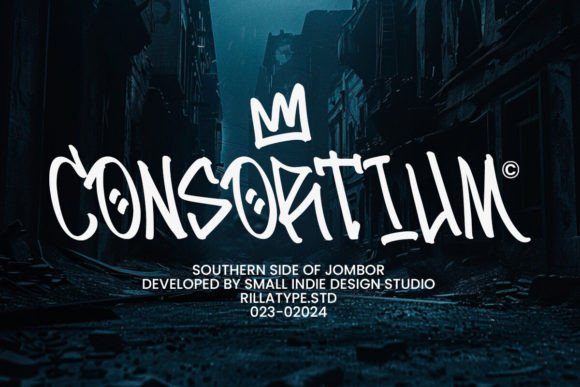
There’s a certain electricity in the air when you encounter a piece of authentic street art. It’s bold, unapologetic, and carries the pulse of the city. The Consortium font is a digital embodiment of that raw, vibrant energy. It’s not just a set of letters; it’s a statement. Crafted with the thick, dynamic strokes and edgy, irregular curves of graffiti culture, this typeface is built for projects that need to shout rather than whisper. If you’re looking to inject a dose of urban authenticity into your work, understanding how to harness this creative font is your first step.
More Than Just Letters: The Personality of Consortium
At its core, Consortium is a display font with an unmistakable urban flair. Its visual character is defined by a sense of motion and rebellion. The strokes vary in weight, mimicking the pressure of a spray can or a marker, and the letterforms often have a slight, intentional irregularity that avoids the sterile perfection of many digital fonts. This gives it a human, hand-crafted feel that resonates deeply with audiences tired of overly polished, generic visuals. It’s the kind of typeface that can make a simple poster feel like a found piece of art from a Berlin alleyway or a New York subway station.
The personality it brings to a project is one of confidence, edge, and immediacy. It speaks to youth culture, music scenes, action sports, and any brand that identifies with counterculture or a do-it-yourself ethos. However, its appeal isn’t limited to literal street themes. Used thoughtfully, it can add a surprising layer of grit and authenticity to more mainstream brand identity projects, acting as a powerful contrast element against cleaner sans serif font or serif font companions.
Finding the Perfect Project for This Urban Powerhouse
Knowing where a font like Consortium shines is key to using it effectively. Its bold nature means it’s rarely suited for body text, but it excels in contexts where impact is paramount. Think of it as the headline act, not the supporting player.
- Event & Entertainment Design: This is its natural habitat. Consortium is perfect for logo design for bands, concert flyers, festival posters, and nightclub promotions. It instantly communicates the high-energy, edgy vibe of the event.
- Branding with an Edge: For brands in streetwear, skateboarding, independent record labels, or urban exploration, this font can become a cornerstone of the brand identity. It works brilliantly for wordmarks, apparel tags, and packaging design that needs to stand out on a shelf.
- Digital & Social Media: In the fast-scrolling world of social media, Consortium can stop a thumb in its tracks. Use it for bold headlines in social media graphics, YouTube thumbnails, or podcast artwork to grab attention immediately. Its style translates well to digital environments where a strong visual hook is essential.
- Editorial & Publishing: While not for long reads, it can create striking chapter titles, pull quotes, or cover designs for magazines, zines, and books focused on contemporary culture, art, or music. It adds a layer of visual interest that standard editorial design fonts might lack.
- Personal & Commercial Projects: From custom t-shirt designs and sticker sheets for crafters to bold signage for a local skate shop, the applications are vast. It’s a premium font that offers tremendous value for both personal creative projects and commercial ventures that need a distinctive voice.
Practical Guidance: Working with Consortium Effectively
Adopting a powerful display font like this requires a thoughtful approach to ensure it enhances rather than overwhelms your project. Here’s how to integrate it successfully.
Evaluating Fit and Font Pairing
First, assess if the font’s personality aligns with your project’s core message. A gritty, rebellious font might clash with a luxury jewelry brand or a serene wellness retreat. When it does fit, the magic often happens in the font pairing. Consortium demands a calm, stable partner. Pair it with a clean, geometric sans serif font for body text to ensure readability, or a simple, elegant serif font for a high-contrast editorial look. Avoid pairing it with other highly stylized fonts like a script font or another handwritten font, as this can create visual chaos.
Testing for Readability and Hierarchy
Because of its decorative nature, readability is your primary concern. Always test your chosen text at the size it will be viewed. Short, powerful words and phrases work best. Use it to establish a clear visual hierarchy—let it dominate headlines while subordinate text handles the details. Adjusting letter-spacing (tracking) and line-height (leading) can also significantly improve clarity, especially when setting multiple words or lines.
Understanding the Asset and Licensing
A quality premium font like Consortium is more than just a single file. Check what’s included in your purchase. Often, you’ll get multiple weights, stylistic alternates, or even a set of bonus graphics. These are valuable design assets that can extend the font’s utility. Crucially, understand the commercial font licensing. Ensure the license covers your intended use, whether it’s for a client’s logo design, print-on-demand merchandise, or a website’s web design elements. Respecting licensing protects you and supports the type designers who create these tools.
In the end, Consortium is more than a font—it’s a tool for storytelling. It allows designers, entrepreneurs, and creators to tap into the visual language of the street and bring that unfiltered, energetic spirit into their work. By understanding its strengths and applying it with strategic intent, you can create designs that don’t just look different, but feel alive with a distinct and powerful voice.