Kashio: A Typeface Forged in Sound and Shadow
When you’re building a brand or a creative project that lives in the world of rock music, metal, or gothic aesthetics, the typography you choose isn’t just a detail—it’s the voice. It’s the first guttural chord before the lyrics hit. I’ve spent years in the design trenches, and I know the frustration of searching for a font that doesn’t just look dark, but feels authentic. You need something with grit, with history, with an edge that isn’t borrowed from a generic “spooky” font pack. That’s where a premium font like Kashio enters the mix, offering a specialized tool for a specific, passionate audience.
The Visual DNA: More Than Just Sharp Edges
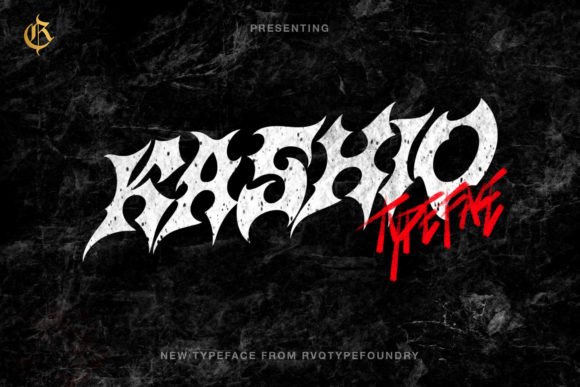
At its core, Kashio is a display font built to command attention. It doesn’t whisper; it roars from a festival poster or glares from a t-shirt back. Its visual characteristics are defined by a high-contrast structure, often mimicking the tension of sharp, jagged forms against smoother, flowing lines. This isn't a subtle sans serif font for body text; it's a creative font designed for impact.
What makes Kashio stand out in a crowded market of heavy metal typefaces is its deliberate versatility within its niche. It balances the aggressive, angular strokes you’d expect from a gothic style with a surprising level of legibility. The personality is unmistakably bold and rebellious, but it avoids the trap of becoming illegible scribbles. This makes it an invaluable design asset. Whether you are drafting a logo design for a new startup band or laying out the masthead for a dark fantasy magazine, Kashio provides that essential visual weight. It carries the aesthetic of modern typography while paying homage to the raw energy of underground music scenes.
Practical Applications: Where Kashio Belongs
Understanding where a typeface works is half the battle in brand identity. Kashio is specifically engineered to support designs based on rock music and gothic culture, but its utility is surprisingly broad within those fields. I’ve seen similar styles work wonders in contexts that demand high energy and a distinct mood.
Consider the following applications where Kashio shines:
- Merchandise and Apparel: This is the font’s home turf. For band names, tour dates, or graphic tees, Kashio provides the necessary punch. It holds up well on fabric, where intricate details of a script font might get lost.
- Festival Posters and Concert Advertisements: In editorial design for events, you need hierarchy. Kashio can dominate the headline, ensuring the band name is visible from a distance, while a cleaner serif font or sans serif font handles the details.
- Gaming and Digital Media: The gaming industry loves stylized typography. Kashio fits perfectly into RPGs, horror games, or any UI that requires an immersive, atmospheric touch. It’s also excellent for social media graphics where you have three seconds to stop the scroll.
- Packaging Design: If you are launching a niche product—like craft beer, hot sauce, or vinyl records—Kashio can anchor the packaging design, giving it an artisanal, edgy vibe.
It is also worth noting the font’s utility for illustrators. If you are creating artwork that includes integrated text, Kashio supports the visual narrative rather than fighting against it.
The Three Styles: Simplifying the Creative Process
One of the most practical aspects of Kashio is its construction. It is divided into three distinct styles, which makes it accessible even for those who aren't typographic experts. Instead of overwhelming you with dozens of weights, it offers a streamlined toolkit.
While the specific cuts may vary, a typical effective setup for a display font of this nature includes:
- The Base/Regular Style: This is your workhorse. It’s the primary voice for headlines and logos. It offers the full personality of the typeface with maximum impact.
- The Decorative/Alternate Style: This often swaps out standard letterforms for more elaborate, swashed, or distressed versions. This is perfect for drop caps or isolating a single word to make it a focal point in web design or print layouts.
- The Clean/Text Style: Even aggressive fonts need to be readable. This style usually simplifies some of the extreme ligatures or ink traps, allowing you to use Kashio for shorter sub-headlines or pull quotes without sacrificing readability.
This division allows you to create visual hierarchy using a single font family, ensuring consistency across your brand identity while keeping the design dynamic.
Typography Strategy: Pairing and Readability
Using a creative font like Kashio effectively requires a bit of strategy. You cannot simply drop it onto a page and expect it to work with everything. The strongest designs often rely on contrast.
If Kashio is your hero element, you need a supporting cast. Because Kashio is likely textured, sharp, and complex, pairing it with a clean, geometric sans serif font for body text is a safe bet. This ensures your paragraphs remain legible while your headers maintain that gothic edge. Avoid pairing it with other ornate script fonts or heavy serif fonts, as this will create visual clutter and muddy the hierarchy.
Readability is paramount, especially in web design. While Kashio is designed for legibility within its style, it is still a display font. It is meant for headlines, not for writing your 500-word blog post. Use it to set the mood, then let a standard typeface do the heavy lifting of information delivery.
Making the Decision: Licensing and Fit
When selecting a commercial font, the decision comes down to fit and function. Does the font serve the project's goals? For anyone operating in the rock, metal, or gothic space, Kashio is a strong contender because it was built for that specific purpose.
Before purchasing, I always recommend a few steps:
- Test the Pairing: Don't just look at the font in isolation. Mock up a quick header and body text combination. Does the mood clash or harmonize?
- Check the Glyphs: Look at the character set. Does it support the language you need? Are there enough alternates to keep the design from looking repetitive if you use the letter 'A' five times on one poster?
- Review Licensing: Ensure the commercial font license covers your intended use. If you are printing 500 t-shirts (merchandise), the license must explicitly allow for that volume of production.
Kashio offers a specialized solution. It eliminates the guesswork of trying to force a standard corporate typeface to look "cool." It is a dedicated design asset for a specific aesthetic. By integrating Kashio into your toolkit, you are equipping yourself with a typeface that understands the culture it represents, allowing you to create designs that resonate deeply with your audience.