Unlocking History: The Cursivo Saxonio Typeface
A Typeface Born from Literary Mystery and Medieval Hands
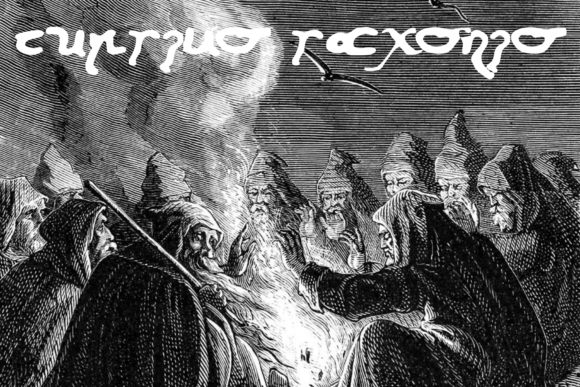
There is a certain magnetism to designs that feel pulled directly from history, especially when that history is shrouded in the eerie, gothic atmosphere of H.P. Lovecraft’s prose. Cursivo Saxonio is not just a typeface; it is a revival of the authentic "Insularis" or "Cursivo Saxonio" hand-lettering style from the VIII to XI centuries. While many designers struggle to capture the raw, organic texture of historical scripts through modern digital tools, this font succeeds where academic studies often fall short. It bridges the gap between the ancient British Isles and the cosmic horror of The Case of Charles Dexter Ward, offering a unique visual language that feels both archaic and narrative-driven.
The visual personality of Cursivo Saxonio is defined by its rough-hewn elegance. Unlike the polished, mechanical precision of a standard serif font or the geometric cleanness of a sans serif font, this premium font embraces the imperfections of the quill. You will notice the ink traps and the uneven baselines that mimic the flow of iron gall ink on vellum. It is a handwritten font in the truest sense, but one that carries the weight of monastic scribes rather than modern calligraphers. This gives it a specific "voice"—one that is authoritative, slightly ominous, and deeply rooted in tradition. For designers looking to move away from sterile modern typography, Cursivo Saxonio offers a tactile depth that immediately draws the viewer in.
Strategic Applications: Where Ancient Script Meets Modern Projects
Understanding where to deploy a typeface like Cursivo Saxonio is key to successful brand identity work. Because it is a highly stylized display font, it is not intended for body text or long-form reading. Instead, it excels as a focal point in logo design, headlines, and titling. Imagine this typeface stamped on the label of a craft distillery, a heritage wool brand, or a specialty bookstore. The font instantly communicates a story of origin, craftsmanship, and timelessness. In packaging design, it can serve as a seal of authenticity, suggesting that the product inside has been created with care and history.
For the publishing world, specifically in editorial design, Cursivo Saxonio is a powerful tool for genre fiction, particularly in mystery, historical fantasy, or the occult. A book cover featuring this typeface promises the reader a journey into the past or the unknown. It sets the mood before a single page is turned. Similarly, in social media graphics and digital marketing, this creative font can cut through the noise of generic sans-serifs. It works exceptionally well for quotes, album art, or event posters where atmosphere is more important than minimalism. However, it requires a careful hand; using it for a corporate tech startup would likely cause a disconnect, whereas a heritage watch brand would find it to be a perfect match.
Mastering the Pairing and Hierarchy
One of the most common challenges with script fonts or historical typefaces is creating a balanced visual hierarchy. Because Cursivo Saxonio is dense and textured, it requires a partner that knows how to step back and let the lead shine. A classic design strategy is to pair this ornate, medieval style with a clean, geometric sans serif font. The contrast between the ancient, organic curves of the Saxon hand and the rigid, modern lines of a typeface like Helvetica or Futura creates a dynamic tension. This pairing ensures that while the headline captures the mood, the supporting text remains highly legible and accessible.
When testing font pairing, pay close attention to the x-height and weight. Cursivo Saxonio has a distinct vertical rhythm that can clash with fonts that are too light or too small. You may need to increase the font size of your body copy or adjust the line height to give the design room to breathe. Think of the typeface as a piece of art; it needs a gallery wall (the white space and supporting text) to be fully appreciated. Avoid pairing it with other decorative or script fonts, as this will result in visual chaos and destroy the readability of your layout.
Practical Considerations for Commercial Use
Before integrating Cursivo Saxonio into a commercial project, it is vital to review the specific design assets included with the download. A robust premium font package often includes alternates, ligatures, and swashes. For a typeface inspired by ancient manuscripts, these extras are invaluable. They allow you to customize the letterforms so that no two letters look exactly the same, mimicking the natural variance of hand-lettering. If the font includes multiple weights or styles, test them to see how they interact with your specific color palette and background textures.
Licensing is another critical aspect of professional design. Ensure that the commercial font license covers your specific use case, whether that is for a client’s logo design, merchandise, or web embedding. High-quality typefaces are intellectual property, and respecting the licensing terms protects both you and the foundry. Finally, test the font across different mediums. A display font can look vastly different on a high-resolution Retina screen compared to newsprint or textured paper stock. By doing this due diligence, you ensure that the historical weight of Cursivo Saxonio translates effectively into your modern design workflow, creating a brand identity that is not only beautiful but strategically sound.
Ultimately, choosing a typeface like Cursivo Saxonio is about embracing narrative. It is about acknowledging that typography is not just a vehicle for information, but a visual trigger for emotion. Whether you are designing for a niche hobbyist market, a publisher of dark fiction, or a brand that values heritage, this typeface offers a direct line to the past. It allows you to harness the mystique of the VIII century and apply it to the challenges of web design and print today.