The 1873 Winchester Typeface: From Gritty Posters to Premium Wax
There’s a specific kind of visual tension that makes a design stick in your mind. It’s the feeling of something old, worn, and authentic, yet presented with a level of craft that feels undeniably modern and intentional. This is the core appeal of the 1873 Winchester typeface. It’s not merely a font; it’s a design asset that carries a story, a texture, and a surprising degree of versatility that can elevate everything from a gritty wanted poster to the label of a high-end grooming product.
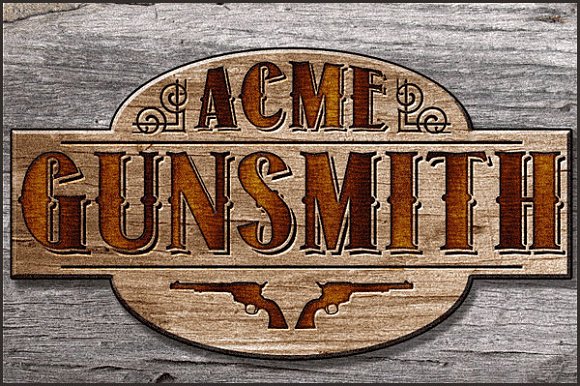
At its heart, 1873 Winchester is a display serif font with a distinctly weathered, letterpress-inspired personality. The letterforms feel like they’ve been stamped onto aged paper or pressed into leather, with subtle irregularities and a textured edge that avoids the sterile perfection of many digital typefaces. This isn’t a clean, geometric sans serif font. It’s a premium font designed to evoke a specific time and place—the American frontier, the Industrial Revolution, and the tangible quality of handcrafted goods. Its visual style is rugged yet refined, making it a creative font that feels both historical and surprisingly contemporary.
A Typeface with Two Faces: Rugged Grit and Refined Heritage
The true genius of 1873 Winchester lies in its duality. On one hand, it’s the perfect choice for projects that need to communicate authenticity, heritage, and a bit of roughness. Imagine it on the header of a craft brewery’s website, setting the tone for a brand that values tradition and small-batch quality. Picture it on a band poster for a folk or Americana group, instantly creating a vibe that feels grounded and real. For a blogger writing about historical fiction or vintage restoration, using this serif font in headlines can instantly establish a credible and immersive atmosphere.
On the other hand, the same font, when used with careful restraint and paired intelligently, can signal sophistication and premium craftsmanship. This is where it moves from the “gritty wanted poster” to the “high-end mustache wax.” A brand specializing in artisanal leather goods, boutique small-batch spirits, or even a premium men’s grooming line can leverage 1873 Winchester to build a brand identity rooted in legacy and meticulous care. In packaging design, a single word set in this typeface—like “Heritage” or “Craft”—can convey more about the product’s quality than a paragraph of text. It tells a story of timelessness, which is a powerful component of modern brand identity.
Strategic Applications: Where This Font Truly Shines
Understanding where to deploy 1873 Winchester is key to unlocking its potential. It’s a specialist, not a generalist, and its impact is greatest in specific contexts. For logo design, it’s a bold choice for brands that want to own a niche of authenticity. A distillery, a bespoke tailor, a vintage motorcycle shop, or a heritage boot maker could build an entire visual system around this typeface. It becomes the cornerstone of their brand identity, immediately setting them apart from competitors using generic, modern typefaces.
In editorial design and publishing, it works beautifully for chapter headings in historical novels, magazine features on craftsmanship, or the masthead of a publication focused on outdoor adventure or DIY culture. For web design, while it’s not suited for body text due to its textured details, it can be a stunning choice for hero sections, navigation headers, and key call-to-action buttons where you need to make an immediate, memorable impression. The same principle applies to social media graphics; using it for a quote card or a promotional banner can stop the scroll and communicate a brand’s character in an instant.
Practical Guidance for Designers and Brand Builders
If you’re considering 1873 Winchester for a project, a methodical approach will ensure success. First, evaluate the project’s core message. Does it align with values of heritage, craftsmanship, adventure, or rugged individualism? If the brand is sleek, minimalist, and futuristic, this font will create cognitive dissonance. If it’s about legacy and tangible quality, you’re on the right track.
Next, consider font pairing. This is critical. Because 1873 Winchester has such a strong personality, it needs a counterpoint. Pair it with a clean, neutral sans serif font for body copy. Think of a typeface like Inter, Lato, or even a simple grotesque. This contrast allows the headline font to sing without overwhelming the reader. Avoid pairing it with other ornate or script fonts, as this will lead to visual clutter and reduce readability. The goal is a clear visual hierarchy.
Always review the included styles and character sets of any commercial font. A quality typeface like this will often include multiple weights, alternates, and possibly even handwritten font or script font companions that can be used for accents. Check the licensing for your intended use—whether for digital web design, print merchandise, or app interfaces—to ensure you have the proper commercial rights. Finally, test it extensively. Mock up your logo design, create a sample social media post, and print a test label. See how the texture holds up at different sizes and on various materials. A font that looks great on screen might need adjustments for fine print.
In a world saturated with clean, geometric modern typography, 1873 Winchester offers a compelling alternative. It provides depth, narrative, and a tangible sense of history that can make a brand or project feel genuinely unique. It’s a powerful tool in the arsenal of any designer, marketer, or entrepreneur looking to build something with soul and staying power. Used thoughtfully, it doesn’t just set text—it sets a mood, tells a story, and builds a brand identity that feels both timeless and deeply authentic.