Nicolaus Kesler: Bridging 15th-Century Craft with Modern Design
When you first encounter the Nicolaus Kesler typeface, it doesn’t just sit on the page; it transports you. Named after the renowned 15th-century printer of Incunabula based in Basel, Switzerland, this font carries the weight of history but moves with the grace of modern typography. Kesler was famous for his ecclesiastical works and editions of the Golden Legend, and the digital revival of his typefaces captures that same scholarly elegance. For today’s designers, marketers, and creators, this isn't just a relic—it is a premium font that offers a distinct personality: ornate yet surprisingly legible, historical yet functional for the digital age.
One of the most striking aspects of Nicolaus Kesler is its ability to balance "fancy" with "readable." Many historical revivals suffer from being too decorative, causing the eyes to strain after a few lines. However, this font retains the virtue of clarity. It possesses a warmth that cold, geometric modern fonts often lack. With over 900 glyphs included, it offers a depth that allows for extensive customization. Whether you are designing a logo for a boutique law firm or crafting the interior layout of a fantasy novel, the visual texture of this typeface provides an immediate sense of credibility and artistry.
Visual Character: The Intersection of Ecclesiastical and Elegant
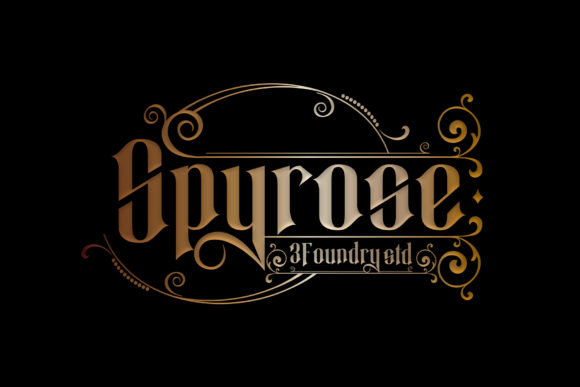
The visual DNA of Nicolaus Kesler is rooted in the blackletter and early roman styles of the incunabula era, yet it refrains from the illegibility often associated with gothic scripts. It functions as a highly stylized serif font. The strokes have a distinct rhythm, featuring sharp serifs and nuanced curves that mimic the pressure of a quill on vellum. This gives the text a "lived-in" quality that digital sans serif fonts simply cannot replicate.
For brand strategists, this visual character is a powerful tool. If you are building a brand identity that needs to communicate tradition, authority, or craftsmanship, this typeface does the heavy lifting. It avoids the cliché of "old-fashioned" and instead lands on "timeless." It works beautifully as a display font for headlines, where its intricate details can be appreciated at larger scales. However, because of its high legibility, it can also be used for short blocks of body text, particularly in high-end packaging design or wedding stationery where atmosphere is just as important as information.
Practical Applications: From Packaging to Web Design
Finding the right context for a creative font like Nicolaus Kesler is key to its success. It is not a one-size-fits-all solution for every UI element, but in the right setting, it elevates the entire project. Here are some practical ways to leverage this asset:
- Editorial Design and Book Covers: This is where the font shines. It evokes the feeling of a "classic" text. Use it for the title of a historical fiction novel, a cookbook focusing on heritage recipes, or a poetry collection. It sets a narrative tone before the reader even reads the first sentence.
- Logo Design and Branding: For businesses in the artisanal sector—think craft breweries, bespoke tailors, or independent bookstores—Nicolaus Kesler offers a distinct voice. It suggests that the business values the process and the history behind their product.
- Web Design Headers: In the digital space, contrast is king. Pairing this serif font with a clean, modern sans serif font for body text creates a stunning visual hierarchy. The header grabs attention with its historical flair, while the clean body text ensures the user experience remains smooth.
- Social Media Graphics: In a sea of minimalist, sans-serif Instagram posts, a quote set in Nicolaus Kesler stands out. It adds a layer of intellectual depth to a simple graphic, making it more shareable for audiences interested in culture and history.
Technical Utility: Glyphs, Abbreviations, and the Voided Style
Beyond its aesthetic appeal, the utility of this package is impressive. The inclusion of over 900 glyphs means you aren't limited to standard English characters. This makes it a robust choice for international branding projects or for designers who need access to specific typographic ligatures to perfect their kerning and flow.
A particularly unique feature is the inclusion of historical abbreviations. While you might not use these in a standard blog post, they are invaluable for niche projects. If you are recreating historical documents, designing props for a theater production, or creating educational materials about the history of printing, these details add a layer of authenticity that generic design assets lack.
Furthermore, the package includes a voided (outlined) version of the font. This is a practical asset for layering in graphic design. You can use the voided version to create a "knockout" effect over images or to create a lighter, more airy feel for summer campaigns without losing the structural integrity of the typeface.
Font Pairing and Readability Strategy
Using a specialized typeface like Nicolaus Kesler requires a thoughtful approach to font pairing. Because the font is rich in detail, pairing it with another ornate script font or a busy handwritten font will result in visual chaos. The golden rule here is contrast.
I recommend pairing Nicolaus Kesler with a neutral sans serif font like Helvetica, Futura, or a clean grotesque typeface. This allows the serif font to act as the "voice" of the design, while the sans serif acts as the "narrator." This structure ensures that your audience can consume the information easily while still enjoying the artistic flair of the headers.
Commercial Licensing and Final Considerations
Before integrating this typeface into a commercial project, always review the licensing terms. As a premium font derived from historical works, the licensing structure ensures that the creators are compensated for the digitization work. Ensure your license covers your specific use case, whether that is for a single client project, a mass-produced merchandise line, or a high-traffic website.
Ultimately, Nicolaus Kesler is more than just a font; it is a bridge between the past and the present. It allows modern content creators to tap into the gravitas of 15th-century printing while maintaining the standards of contemporary digital design. Whether you are a blogger looking to add some flair to your headers or a small business owner building a brand with deep roots, this typeface offers a sophisticated, readable, and historically rich solution.