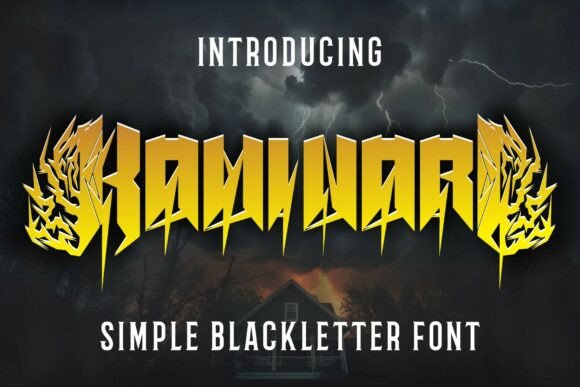
Kaminari: A Display Font with Urban Edge
When you need typography that feels less like typeset letters and more like a statement, you reach for a display font. Kaminari isn't just a typeface; it is an attitude. It captures the raw, kinetic energy of street art and translates it into a digital asset that demands attention. If you have ever walked past a mural that stopped you in your tracks, you understand the visual language Kaminari speaks. It is bold, chunky, and unapologetically loud, designed to evoke the iconic look of graffiti without sacrificing the usability required for modern graphic design and branding.
The defining characteristic of this premium font is its weight. These are not delicate, whisper-thin serifs; they are heavy, blocky strokes that anchor themselves to the page or screen. The letterforms often feature irregular baselines and slight imperfections that mimic the texture of spray paint on concrete. This organic quality is vital. In a digital landscape often dominated by the sterile precision of standard sans serif fonts, Kaminari offers a human touch. It feels handmade and authentic, bridging the gap between digital precision and street-level creativity.
Injecting Personality into Brand Identity
For entrepreneurs and small business owners, choosing a typeface is a critical part of building a brand identity. The font you choose sets the emotional tone before a customer reads a single word of your copy. Kaminari excels in environments where the brand needs to feel energetic, youthful, rebellious, or culturally connected. It is a fantastic choice for lifestyle brands, streetwear labels, skate shops, or any business targeting a demographic that values authenticity over corporate polish.
However, using a display font with this much personality requires strategy. You cannot simply swap out your body copy for Kaminari and expect legibility. Its strength lies in the hierarchy. Use it for your H1 headers, your logo wordmark, or pull quotes. When paired with a clean, geometric sans serif font or even a classic serif font for body text, Kaminari creates a striking contrast. The boldness of the headline grabs the user, while the cleaner font ensures the message is delivered clearly. This interplay between the chaotic and the structured is a hallmark of sophisticated modern typography.
Practical Applications: Beyond the Logo
While logo design is a natural home for Kaminari, its utility extends far beyond a single mark. Consider the impact this typeface can have in packaging design. Imagine a coffee bag or a craft beer label where the product name bursts off the shelf with the energy of a graffiti tag. It instantly signals to the consumer that the product is creative, bold, and perhaps a bit edgy. It works exceptionally well for products that want to disrupt a traditional market.
In the realm of web design and social media graphics, Kaminari is a powerful tool for stopping the scroll. Social media feeds are cluttered, and users scan content rapidly. A header set in Kaminari has a high "thumb-stopping" power. It provides visual weight that anchors a graphic, whether it is an announcement for a sale, a podcast cover, or a YouTube thumbnail. For bloggers and content creators, using this font for section headers can break up long blocks of text, making the reading experience more dynamic and engaging.
The Nuance of Readability and Hierarchy
It is important to address the elephant in the room with any creative font like this: readability. As a display font, Kaminari is not designed for long-form reading. Attempting to set a paragraph in this typeface will result in eye strain and a loss of message retention. This is not a flaw; it is by design. The role of a display typeface is to attract, not to sustain.
When evaluating how Kaminari influences visual hierarchy, think of it as the loudspeaker of your design. It directs the eye to the most important element first. Once you have the viewer's attention, you transition to a more neutral typeface—perhaps a handwritten font for a personal touch or a standard sans serif font for clarity—to deliver the details. This transition is crucial for maintaining professionalism. A design that screams at the viewer for every single word feels amateurish; a design that uses volume strategically feels confident.
Font Pairing Strategies
Finding the right partner for a bold display font can be tricky. Because Kaminari has such a distinct "voice," you don't want a secondary font that competes for attention. Here are a few practical approaches for your next project:
- The Minimalist Contrast: Pair Kaminari with a clean, wide-tracked sans serif font like Montserrat or Lato. The simplicity of the body text allows the graffiti style of the headline to shine without visual clutter.
- The Classic Remix: For a more editorial look, combine Kaminari with a transitional serif font. This creates a fascinating tension between the rebellious street style of the header and the traditional authority of the body text. This works well for magazine layouts or editorial design.
- The Artistic Flow: If you are designing for an event, a concert, or an art show, pairing Kaminari with a loose script font can create a cohesive, hand-crafted aesthetic. Ensure the script is legible and doesn't mimic the blockiness of Kaminari too closely.
Technical Considerations and Licensing
Before integrating Kaminari into a commercial workflow, you must verify the licensing terms. Since it is marketed as a commercial font, you need to ensure your license covers your specific usage. If you are a designer creating a logo for a client, the client may need their own license to install the font on their systems for future use. If you are using it for web design, check if a web-font license (WOFF/WOFF2 format) is included or available as an add-on.
Additionally, check for OpenType features. High-quality design assets often include alternate characters, ligatures, or stylistic sets. For a font like Kaminari, alternate glyphs are incredibly useful. They allow you to swap out letters that might look too repetitive when placed side-by-side, maintaining the organic, hand-drawn feel that makes graffiti style effective. Accessing these usually requires software that supports OpenType, such as Adobe Illustrator, Photoshop, or Affinity Designer.
Who Should Use Kaminari?
This typeface is not for everyone, and that is a good thing. It appeals to a specific creative mindset. It is ideal for:
- Crafters and Hobbyists: If you are designing custom t-shirts, stickers, or posters for local markets, Kaminari provides that "pro" look instantly. It saves time trying to create custom hand-lettering while still looking unique.
- Marketing Professionals: When running a campaign for a product launch that needs to feel "cool" or "underground," this font signals that vibe immediately. It helps in creating social media graphics that feel native to platforms like Instagram or TikTok.
- Small Business Owners: particularly in the food, beverage, or entertainment industries. It helps build a brand that feels approachable and fun rather than stiff and corporate.
Ultimately, Kaminari is about energy. It brings a vibration to a layout that static, standard fonts simply cannot replicate. By using it thoughtfully—respecting its role as a headline grabber and pairing it with complementary, legible typefaces—you can harness the power of street art to elevate your brand identity and captivate your audience. It proves that modern typography