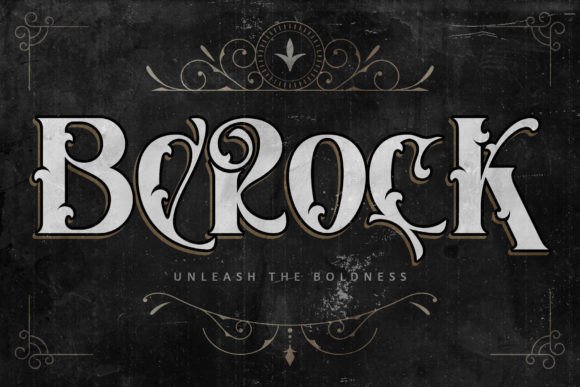
Goldpan: A Vintage Typeface for Authentic Design
There’s a certain texture to history. You can almost feel it in weathered wood, sun-bleached signage, and the uneven ink of old wanted posters. Capturing that tactile quality in digital design is a challenge, but the right typeface can transport an audience instantly. Goldpan is a display font built for exactly that purpose. It’s not just a collection of letters; it’s a design asset with a distinct personality, channeling the rugged, hopeful spirit of the American frontier.
Visual Character and Authentic Texture
At its core, Goldpan is a vintage-inspired serif font. Its defining features are the distressed textures applied to each glyph, giving it a genuinely worn, hand-printed appearance. The serifs are rounded and soft, avoiding the sharp, formal feel of traditional serifs. This combination creates a friendly yet sturdy typeface that feels both historical and approachable. The slight irregularities in the letterforms are intentional; they mimic the imperfections of letterpress printing or hand-carved stamps, adding a layer of authenticity that clean, modern fonts often lack.
This font’s personality is unmistakably Western. It speaks of gold rush towns, dusty trails, and saloon doors swinging shut. But it’s not a caricature. The design has enough subtlety to feel respectable and versatile. The uppercase letters have a strong, commanding presence, perfect for headlines, while the lowercase maintains legibility with a charming, uneven baseline. The overall appeal lies in its ability to evoke nostalgia without feeling dated or kitschy. It’s a creative font that carries history in its strokes.
Where Goldpan Truly Shines
Understanding a font’s ideal context is key to using it effectively. Goldpan excels in projects where authenticity, character, and a touch of historical grit are desired. Its strengths are most visible in display and headline applications, where its detailed texture can be appreciated at larger sizes.
Branding and Logo Design
For businesses with a rustic, artisanal, or Americana identity, Goldpan can become the cornerstone of a brand identity. Imagine it for a craft brewery, a BBQ restaurant, a leather goods maker, or a boutique hotel in a historic district. As a logo design element, it instantly communicates heritage and hands-on quality. Pair it with a simple sans serif font for body text to create a balanced visual hierarchy that feels both timeless and professional.
Editorial and Packaging Design
In editorial design, such as magazine features about history, travel, or outdoor adventure, Goldpan makes for captivating pull quotes and section headers. It sets a thematic tone before the reader even dives into the copy. For packaging design, particularly for products like coffee, spices, whiskey, or artisanal foods, it adds instant shelf appeal. The font tells a story of origin and craftsmanship, aligning the product with values of tradition and quality.
Digital and Print Applications
Don’t limit this premium font to print. In web design, a hero banner featuring Goldpan can establish a site’s mood immediately. It’s also highly effective in social media graphics, where its bold character helps posts stand out in a crowded feed. For event materials—think music festivals, rodeos, or heritage celebrations—it’s a natural fit. Even for personal projects like family reunion invitations or scrapbook titles, it adds a meaningful, crafted touch.
Practical Guidance for Using Goldpan
Choosing a commercial font is a practical decision. Here’s how to evaluate and implement Goldpan in your work.
Evaluating Project Fit
Ask yourself: Does my project’s theme align with rustic, vintage, or Western aesthetics? If you’re designing for a tech startup or a luxury fashion brand, this likely isn’t the right tool. But if you’re aiming for warmth, nostalgia, or rugged individualism, it’s a strong candidate. Consider your audience. Adults aged 20-50, including designers, entrepreneurs, and content creators, will often recognize and appreciate its stylistic cues.
Testing Font Pairings and Readability
A font pairing strategy is essential. Goldpan’s detailed texture means it should be reserved for headlines, logos, and short bursts of text. For longer paragraphs, you need a highly readable companion. A clean, geometric sans serif font like Montserrat or Lato provides excellent contrast and ensures your message is clear. A simple, understated script font could work for accent text, but use it sparingly to avoid visual clutter.
Always test readability at the intended size. Its distressed details can fill in and become muddy at very small point sizes, particularly in low-resolution print. For body copy, stick to your paired sans serif. Review the font’s included styles—does it come with multiple weights or alternates? These can provide valuable flexibility within your design system.
Licensing and Final Considerations
Before purchasing, verify the commercial license covers your intended use, whether for a client’s logo, product packaging, or a published magazine. A legitimate license protects both you and the font creator. While Goldpan is a standout display font, remember that no single font does everything. Its power is in its specificity. Used thoughtfully, it becomes more than just letters on a page; it becomes a storytelling device that anchors your design in a rich, evocative visual tradition.