Waxen: A Vintage Gothic Typeface with Striking Elegance
Understanding Waxen's Distinct Character
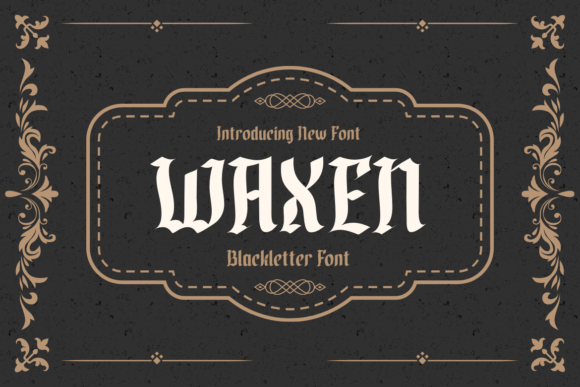
When you first encounter the Waxen typeface, you immediately sense its confident, grounded presence. This isn't a font that whispers; it speaks with clear, vintage authority. Waxen presents itself as a premium font with a distinct vintage and elegant style, drawing inspiration from classic Roman letterforms. Its visual personality is built on striking details—noticeable, refined strokes on each side of the lettering that give it a bold, architectural quality. Think of it as the typographic equivalent of a well-tailored suit or a piece of antique furniture: it has weight, history, and undeniable style. The overall appeal of Waxen lies in its ability to feel both timeless and relevant, making it a versatile creative font for projects that need to convey heritage, sophistication, and a strong personality.
Where Waxen Truly Shines: Practical Applications
The real value of a font like Waxen is measured by its utility. Its classic, bold structure makes it exceptionally suited for work where impact and clarity are paramount. For logo design and brand identity, Waxen can serve as the cornerstone for brands in luxury goods, artisanal crafts, boutique hospitality, or high-end publishing. It instantly establishes a perception of quality and timelessness.
- Editorial and Packaging Design: In editorial design, consider using Waxen for chapter headings, magazine mastheads, or pull quotes. Its details ensure it remains legible and engaging at larger sizes. For packaging design, especially for products like whiskey, specialty coffee, or gourmet foods, Waxen adds a bold classic look that stands out on the shelf and communicates premium value.
- Digital and Print Collateral: As a display font, Waxen is powerful for titles and headers in web design, though pair it carefully with a highly readable serif or sans serif font for body copy. It translates beautifully to social media graphics, event posters, and banner ads where a short, impactful message needs to capture attention.
- Personal and Commercial Projects: For small business owners, entrepreneurs, and content creators, Waxen is a valuable design asset. Use it to create distinctive merchandise, wedding invitations, or promotional materials that feel personal yet professionally crafted. Its commercial licensing typically allows for this broad range of use, but always verify the specifics for your project.
Integrating Waxen Into Your Design Workflow
Choosing the right font is a strategic decision. Start by evaluating your project's core message. If you need to convey modern minimalism, Waxen might not be the first choice. But if the goal is to evoke confidence, elegance, and a vintage sensibility, it's a strong contender. A practical step is to test it in context. Create a mock-up of your title, logo, or packaging layout. See how the typeface interacts with your color palette, imagery, and other text elements.
A critical consideration is font pairing. Waxen's ornate details mean it pairs best with cleaner, simpler typefaces. Try combining it with a neutral sans serif font for body text in a brochure, or a subtle script font for an accent on a wedding invitation. The contrast creates a pleasing visual hierarchy without competing for attention. Always review the included styles—does the family offer multiple weights or alternates? This versatility can be crucial for maintaining consistency across a full brand system.
Finally, think about your audience. For designers and marketers, using a font like Waxen can elevate a project's perceived professionalism and aid in brand recognition. For bloggers and publishers, it can make headlines more engaging, improving readability and visual hierarchy in a crowded digital space. The key is to use it intentionally. Waxen isn't a background player; it's a lead vocalist. Give it the space to perform, and it will help your projects communicate with a powerful, elegant voice that resonates with a discerning audience.