Qiuba: The Gothic Display Font That Commands Attention
Fonts are the silent workhorses of design. They set the tone, convey personality, and can make or break the visual impact of a project. If you're searching for a typeface that blends historical gravitas with a sharp, contemporary edge, Qiuba deserves a close look. This premium display font draws inspiration from Gothic letterforms but refines them for modern use, offering a unique tool for designers, marketers, and creators who need their work to stand out.
Understanding Qiuba's Visual Character and Style
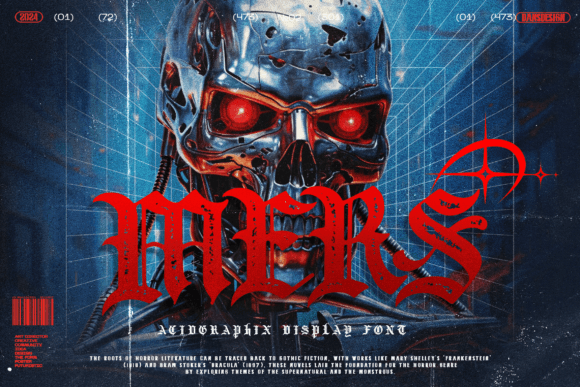
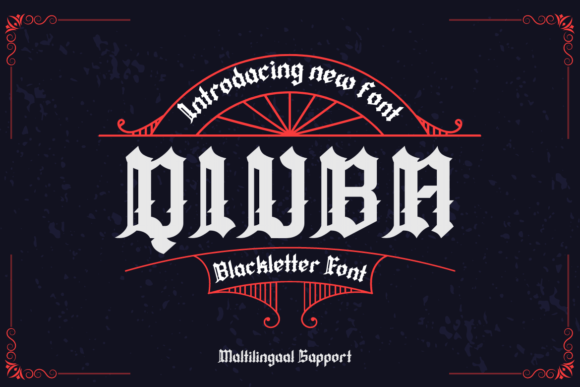
Qiuba isn't a simple revival of medieval blackletter. It’s a creative reimagining. The font features strong, angular strokes and distinctive terminals that evoke a sense of tradition and authority. Yet, its proportions and detailing are optimized for clarity in today’s design contexts. The letterforms have a consistent rhythm, making it surprisingly versatile for a display typeface. Its personality is bold, confident, and slightly unconventional—perfect for projects that need to make a statement without sacrificing legibility.
This typeface comes in multiple weights and styles, often including regular, bold, and sometimes condensed or extended versions. This variety allows you to create visual hierarchy within a single font family. For instance, you might use Qiuba Bold for a headline and Qiuba Regular for a supporting subheading, maintaining a cohesive look while establishing clear structure. The harmonious design across its forms ensures that different text elements feel connected, which is crucial for professional branding and editorial design.
Where Qiuba Shines: Practical Applications Across Projects
The real value of a font like Qiuba lies in its application. Its strong visual presence makes it ideal for situations where you need to capture attention quickly. Think of logo design for brands that want to convey heritage, craftsmanship, or a bold identity—breweries, artisanal food producers, vintage-inspired clothing lines, or independent record labels. Qiuba provides that immediate recognition and sense of substance.
In packaging design, this font can elevate a product on the shelf. Use it for brand names on craft beer labels, specialty coffee bags, or gourmet condiments. Its Gothic flair adds a touch of authenticity and premium quality. For editorial design, Qiuba works wonderfully for chapter titles, pull quotes, or section headers in magazines, books, or annual reports, especially those covering history, culture, or lifestyle topics.
Digital applications are equally strong. As a web design element, Qiuba can be used for hero section headlines, landing page banners, or event promotions where you want to create impact. Just be mindful of pairing it with a highly readable sans serif font or clean serif font for body text to ensure overall readability. For social media graphics, it’s a fantastic choice for creating eye-catching posts, event announcements, or quote cards that stop the scroll.
Don't overlook personal and commercial craft projects. Qiuba is excellent for creating retro stamps, badges, labels, and Oktoberfest posters. Its detailed forms translate beautifully to print, whether you're making invitations, merchandise, or promotional flyers for a local event. The font’s character gives these items a handmade, artisanal feel that generic fonts cannot match.
Making the Most of Qiuba: A Practical Guide
Choosing the right font is only half the battle; using it effectively is what brings a design to life. Here’s how to approach Qiuba with a practical mindset.
Evaluate the Project Fit: Qiuba is a display font, meaning it’s designed for impact at larger sizes. It’s not intended for long paragraphs of body copy. Ask yourself: does my project need a strong typographic focal point? If the answer is yes—for a headline, title, or logo—Qiuba is likely a great candidate. If you need a font for extended reading, you’ll want to pair it with a more neutral typeface.
Test Font Pairings Thoughtfully: The key to using a character-rich font like Qiuba is balance. Pair it with a simple, geometric sans serif font like Montserrat or Lato for a clean, modern contrast. Alternatively, a classic transitional serif font like Georgia or Times New Roman can create a more traditional, editorial feel. Avoid pairing it with other highly decorative script fonts or handwritten fonts, as this can create visual chaos and reduce readability.
Review All Included Styles: Before you start, explore the full font family. Does it have the weight you need? Is there an italic or condensed version? Using multiple weights from the same family is a simple way to create depth and hierarchy in your designs while maintaining perfect visual harmony.
Consider Readability and Context: Always test Qiuba in the specific context where it will be used. View it on different screens for digital projects or print a sample for physical items. Check the kerning (spacing between letters) and ensure it reads clearly at the intended size. For web use, ensure you have the correct web font files and that the font renders well across browsers.
Understand the Commercial License: As a premium font, Qiuba comes with a license that defines how you can use it. Whether you're a freelancer, a small business, or a large corporation, verify that the license covers your intended use—whether for a client project, merchandise for sale, or a digital product. Respecting licensing is part of being a professional and ensures you can use the font with confidence.
Final Thoughts on Choosing Qiuba
Qiuba is more than just a creative font; it’s a strategic design asset. Its strength lies in its ability to inject personality, tradition, and boldness into a project without feeling outdated. By understanding its visual character and applying it with purpose—mindful of pairing, context, and licensing—you can leverage this typeface to build stronger brand identity, create more engaging marketing materials, and produce designs that truly resonate with your audience. It’s a valuable addition to any designer’s toolkit for projects that call for a distinctive Gothic flair.