Ankers: Capturing Black Metal's Raw Spirit in Design
When a project demands more than just clean lines and friendly curves, you need a typeface with teeth. You need a font that doesn't just sit on the page but attacks it. For designers and brands working in the heavy music scene, extreme sports, or any space that values raw power over polished perfection, finding the right typographic voice is crucial. This is where Ankers comes in—a premium font built from the ground up to embody the chaotic, aggressive energy of black metal aesthetics. It’s not for the faint of heart, but for those who understand its power, it’s an indispensable design asset.
The Anatomy of Aggression: What Defines the Ankers Typeface?
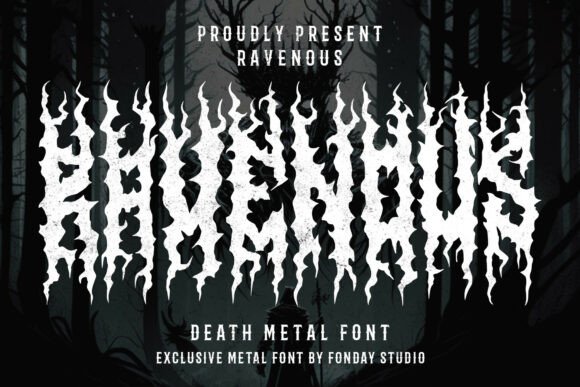
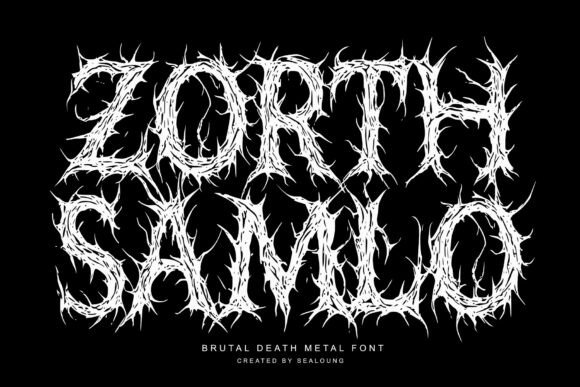
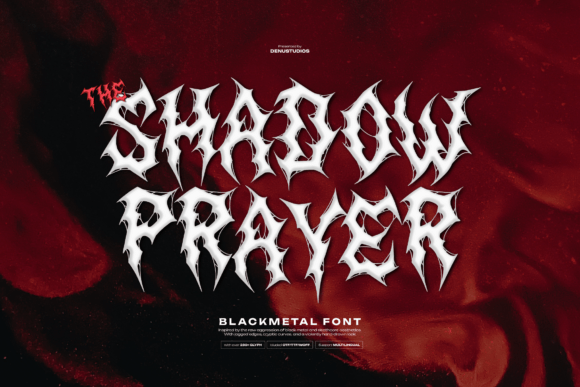
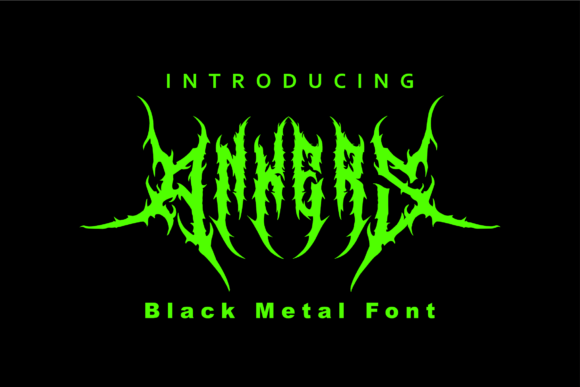
At its core, Ankers is a display font designed for impact, not for body text. Its personality is forged in its irregular letterforms and razor-sharp edges. Imagine the jagged peaks of a distant mountain range or the shattered glass of a broken window—that’s the kind of visual texture Ankers brings to a composition. The letterforms feel hand-carved and weathered, each one bearing the marks of its creation. This isn’t the sterile precision of a geometric sans serif font; it’s a creative font that feels alive with a certain dangerous energy.
What truly sets Ankers apart from other aggressive typefaces is its practical versatility. It ships with two complete sets of alternate letters. This feature is a game-changer for logo design and branding projects. You can mix and match characters to create unique lockups, ensuring your headline or band name has a one-of-a-kind feel. One set might offer a slightly more legible variation for a subheading, while the other leans into the most chaotic, fragmented forms. This level of customization prevents your work from looking like it was simply typed out; it allows for crafted, intentional typography that reinforces the brand identity you’re building.
Where to Unleash the Power of Ankers
Understanding a font’s personality is one thing; knowing where to apply it is where strategy meets creativity. Ankers thrives in contexts where a bold, unapologetic statement is the primary goal. Its strength lies in its ability to instantly set a tone of intensity and authenticity.
- Music & Entertainment Branding: This is Ankers’ natural habitat. It’s perfect for band logos, album cover titles, festival posters, and merchandise. For a metal, punk, or hardcore band, using Ankers for the primary wordmark immediately signals the genre and aesthetic to the audience. It works equally well for podcast cover art for true-crime or horror genres.
- Apparel & Merchandise: Think beyond the band tee. Ankers is ideal for streetwear brands, skate companies, or any apparel line that wants to project a gritty, counter-culture vibe. Its sharp edges translate exceptionally well to screen printing and embroidery, where fine details can be lost. The font’s built-in character ensures the design holds its own on a hoodie or a hat.
- Editorial & Packaging Design: While you wouldn’t set a book’s chapter text in Ankers, it makes a phenomenal chapter heading or pull quote for a thriller novel or a graphic novel. For packaging, imagine it on a craft hot sauce label, a specialty coffee bag with a dark roast profile, or a craft beer from a brewery with a rebellious streak. It communicates a product that is bold, strong, and not for everyone.
- Digital Presence & Social Media Graphics: In the crowded space of web design and social media, Ankers is a thumb-stopper. Use it for hero section headlines on a website for a custom motorcycle shop or a tattoo parlor. For social media, it’s perfect for creating high-impact announcement graphics, event promotions, or quote cards that need to convey urgency and power. Its visual weight ensures it won’t get lost in a busy feed.
Practical Guidance for Implementing Ankers in Your Projects
Choosing a font like Ankers requires a thoughtful approach. Its power can easily overwhelm a design if not handled with care. Here’s how to integrate it effectively into your workflow, whether you’re a seasoned designer or a business owner crafting your own visuals.
Evaluating Project Fit and Readability
The first question is always: does the project call for this level of intensity? Ankers is a specialist tool. It’s perfect for a metal festival poster but entirely wrong for a pediatrician’s clinic brochure. Consider your target audience. If they are adults aged 20-50 who appreciate edgy, counter-culture aesthetics, you’re on the right track. Always prioritize readability for your primary message. Use Ankers for short, high-impact words or phrases—logos, titles, and headers. For longer text blocks, pair it with a highly legible serif font or sans serif font for body copy. A clean, neutral sans serif like Helvetica Neue or a sturdy serif like Merriweather can provide a calm, readable foundation that lets Ankers’ headlines shine without causing eye strain.
Mastering Font Pairing and Hierarchy
The goal of pairing is to create contrast and establish a clear visual hierarchy. Ankers, with its extreme personality, demands a subdued partner. Avoid pairing it with other decorative or script fonts, as this will create visual chaos. Instead, let Ankers dominate the top of the hierarchy for major titles. Use its alternate characters to add flair to a key word. Then, step down to a simple, professional typeface for subtitles and body text. This contrast not only makes the design more readable but also makes the impact of Ankers even more pronounced. Think of it as the lead singer screaming over a tight, controlled rhythm section.
Licensing and Final Checks
Before you finalize any project, especially a commercial one, always verify the font’s licensing. Ankers is a commercial font, so ensure your license covers its intended use—whether for a client’s logo design, a product sold on merchandise, or a website. Reputable font foundries are clear about their terms. Also, take the time to explore all the included styles and alternates. You might discover a glyph that perfectly completes your design. Test your final layout across different sizes and mediums. How does it look on a mobile screen versus a printed poster? Does the visual hierarchy hold up? By answering these questions, you ensure that the raw, intense spirit of Ankers translates effectively, leaving a lasting impression of bold, unapologetic design.